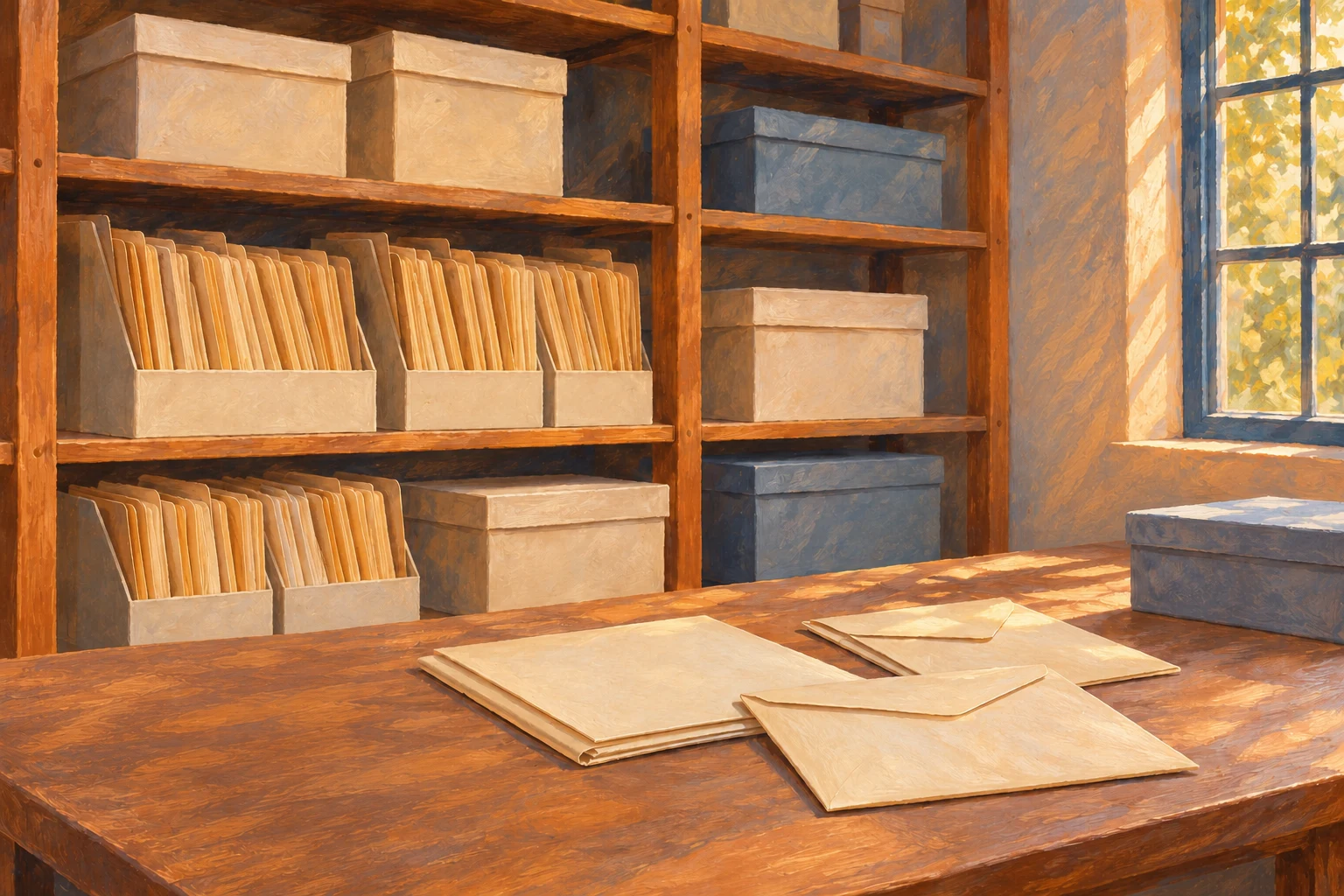
An old letter can reach a new reader through a screen while the original remains in Serowe. That possibility changes how a traveller might think about the Khama III Memorial Museum. Alongside its public interpretation of history, the institution undertakes the quieter work of caring for records, organising them and deciding how they can responsibly become available to others. A digital copy is one part of that work.
The museum's collaboration with University of Toronto librarians offers a particular Botswana example. It is a reason to take documentary heritage seriously without assuming that a museum visit includes an appointment with original papers. Understanding the project can deepen an ordinary heritage day, even when the most appropriate encounter is with an exhibition or explanation rather than an archive box.
Let different records ask different questions
The museum's collection description identifies correspondence, governance records, reports and historical manuscripts associated with Khama III, Sekgoma II and Tshekedi Khama. These are different forms of evidence. An official letter has an addressee and a purpose; a report organises information for another task. Their shared age does not make them interchangeable pieces of old paper.
One example described by the project team in its 2025 conference presentation is a letter from Sekgoma II to King George V, sent through the Resident Commissioner in April 1923, paying tribute to Khama III. The description supplies more than a date. It identifies a sender, an intended recipient and an official route between them. That relationship is part of what gives the record its meaning.
You can carry that kind of question into authorised museum interpretation. Who was meant to receive a document, and what did its creator hope it would do? The answer will not necessarily tell you how everybody affected by the correspondence felt. A written record can illuminate an action while leaving other experiences outside its scope. Curiosity becomes more precise when it recognises both the document's purpose and its limits.
See the work between a page and a usable copy
The same project presentation describes fragile and unidentified documents as practical challenges. Some material needed additional care or lacked information required for its organisation. Scanning such a collection is therefore more demanding than placing a neat stack of fully labelled pages beside a camera. The condition of the paper and what is known about it can affect the work before a usable digital copy is produced.
Imagine the distinction without inventing a history for a particular item. A clear image can preserve the appearance of handwriting, yet a reader may still need help locating the document within a collection. A name on the page can require explanation. A missing identification does not become certain merely because the letters are now easier to enlarge.
That is why the work surrounding an image matters. Ask how a museum describes an item and connects it with related material, if that subject forms part of the interpretation offered. Keep the question separate from a demand to see staff systems or unfinished files. The useful encounter is an understanding of the work, rather than access to every stage of it on the day you happen to arrive.
Keep care of the original in the story
The University of Toronto's April 2025 account describes a partnership in which the physical materials remain in the museum's care. It also reports that the museum had final input on the digitisation provider and selected equipment suited to its circumstances. Sharing information and moving the original collection are different decisions; the account gives the institution in Serowe an active role in making them.
This changes the image of a small museum as merely a place from which information is taken. The people caring for the collection bring knowledge of its setting, its needs and the practical conditions in which work takes place. An outside partnership can contribute resources while still depending on decisions made by the institution responsible for the material.
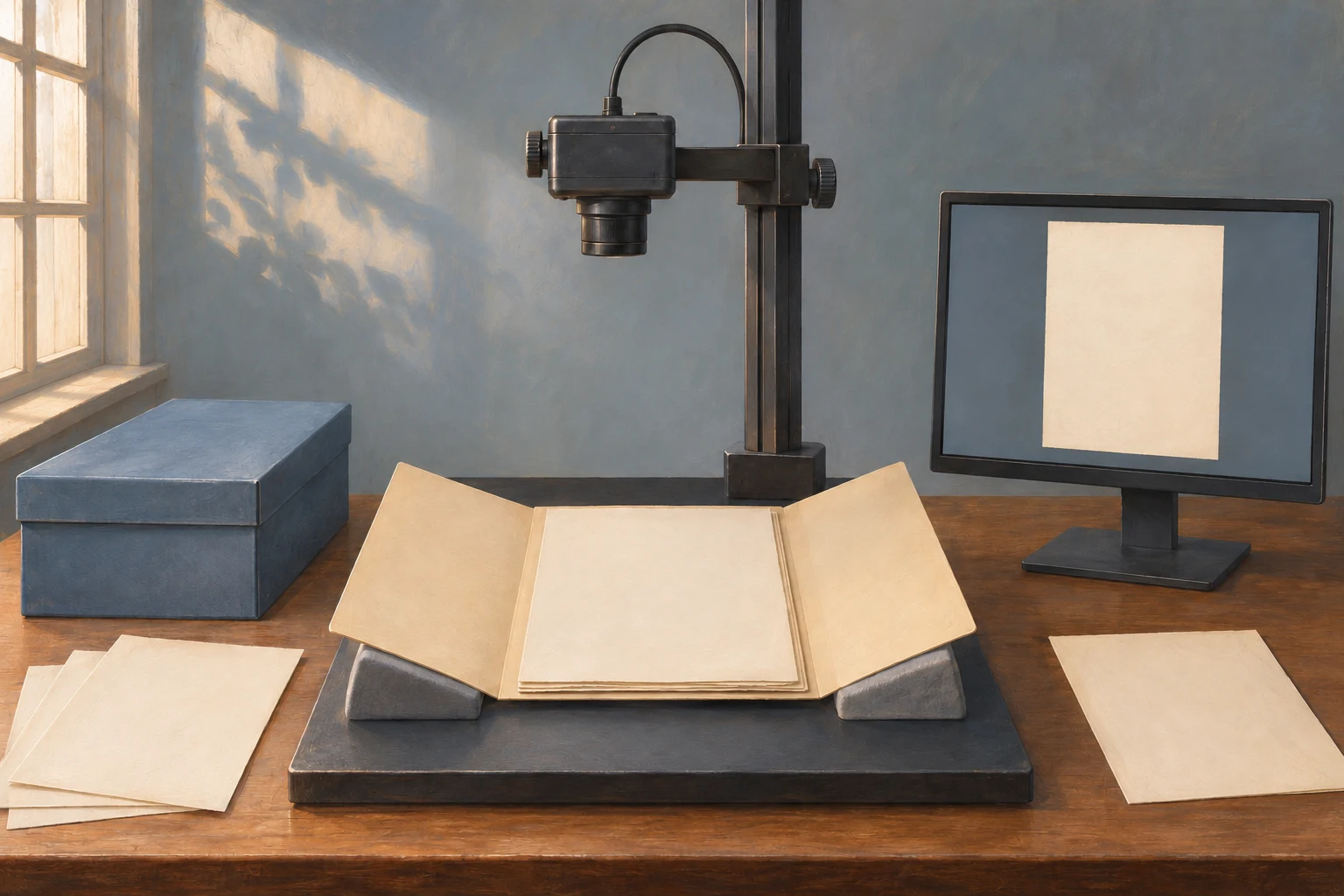
For a visitor, that work deserves a place beside the more visible story of an exhibition. A page reaching a reader elsewhere does not remove the need for a place to care for the original. Nor does it make every question about the collection answerable from a screen. A heritage journey can recognise the connection between local custodianship and wider interest without treating either as a substitute for the other.
Read a project target without declaring the job finished
The 2025 university account described a two-year arrangement to digitise 100,000 items, with funding for equipment and staff work including physical processing, scanning and description. That is a project account and target, rather than a verified total of completed scans today. It identifies several kinds of work behind the headline number.
The distinction matters when sharing a travel story. A planned collection size is not the number you personally consulted, and a digitisation announcement is not proof that an entire archive has become publicly searchable. Keep the scale of the project separate from the scale of your encounter. You can explain why the work interests you without claiming a result the institution has not confirmed.
Look for the questions a target leaves open. Which material is being prepared? How will a researcher find a relevant item? What remains to be described or checked? These questions give patient work its proper place in the story. They also help explain why progress can involve more than a growing count of images, especially when some documents need additional care or identification.
Arrange the access that actually exists
The museum's Digital Archive page currently states that online collections are available only to authorised museum and University of Toronto Libraries users, with public online access not yet available. It directs other interested people to enquire with the museum. A collection description or a browse link should therefore not be turned into a promise that any traveller can log in and inspect the papers.
If a particular research interest is shaping your journey, contact the museum before travelling and describe it clearly. Its research guidance explains that availability can depend on preservation, privacy, copyright and collection conditions. Permission to consult material is also separate from permission to reproduce it. Ask what can be arranged for your purpose rather than assuming a general visit covers every request.
An ordinary museum day can remain worthwhile on its own terms. Confirm which public interpretation is available and let that experience stand without an unarranged research session. If you learn about one document, one aspect of its care or one decision behind the digitisation partnership, retain the scale of that encounter when discussing it afterwards.
Serowe's documentary heritage has a continuing working life. The letter, the careful description, the digital image and the place caring for the original each contribute something different. Seeing those relationships can make a Botswana heritage visit richer: the interest lies in how records remain understandable and connected with their custodians, as well as in the history written on their pages.
Be the first to share a thought or travel tip.